


Table of Contents

For centuries, time travel has lived comfortably in the realm of science fiction—fueling books, movies, and late-night philosophical debates. From ancient myths to modern blockbusters, humans have always dreamed of escaping the present moment, either to fix the past or peek into the future.

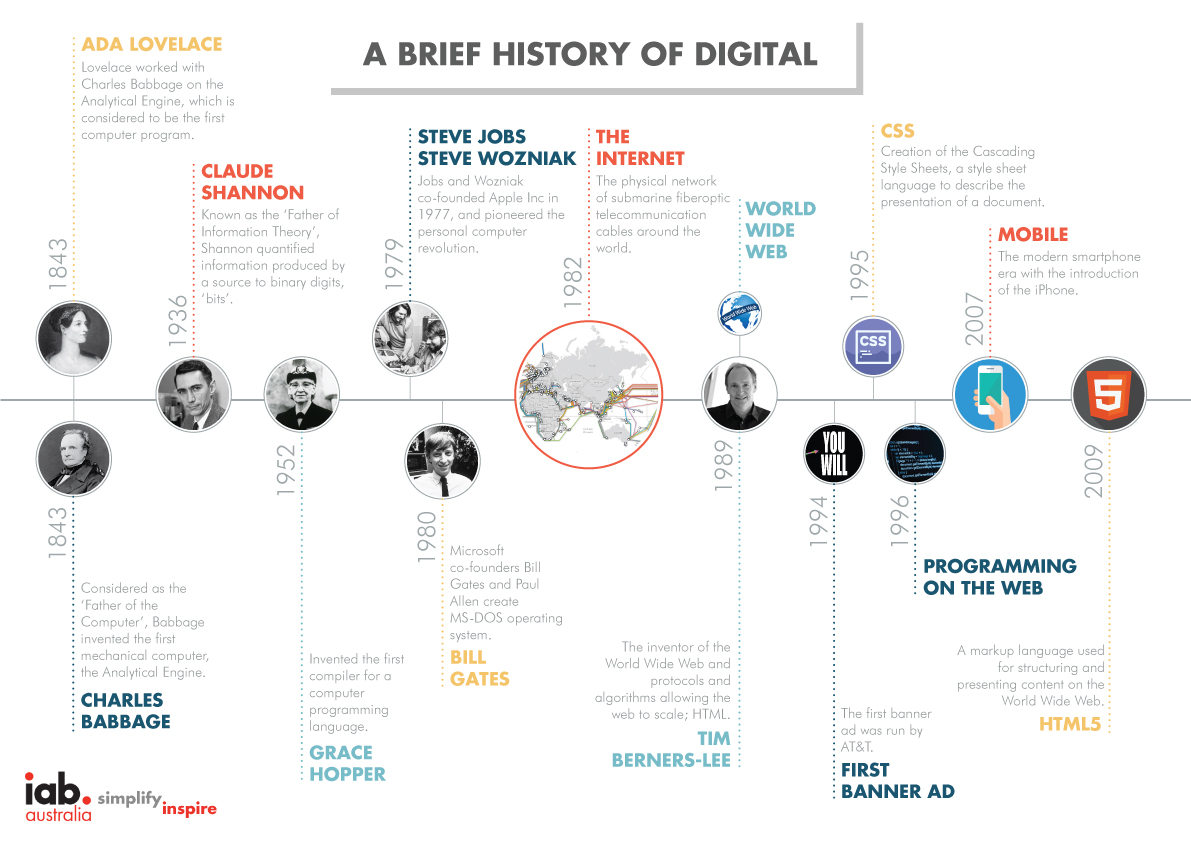
But here’s the provocative question of our time:
What if time travel isn’t about machines, portals, or wormholes—but about Artificial Intelligence?
What if, in a strange and subtle way, we are already time-traveling with AI—just not how we imagined?
Welcome to a future where time bends not through physics, but through data, prediction, simulation, and intelligence.
🧠 Redefining Time Travel in the Age of AI

Traditional time travel implies physical movement—your body jumping backward or forward through time. AI challenges this definition entirely.
With AI, we don’t move through time—time moves through us.
Artificial Intelligence allows us to:
- Reconstruct the past with startling accuracy
- Simulate futures before they happen
- Make decisions today based on tomorrow’s probabilities
In essence, AI enables temporal intelligence—the ability to see beyond “now.”
This doesn’t break the laws of physics.
It simply redefines what time travel means.
🔙 Traveling to the Past: AI as a Digital Archaeologist


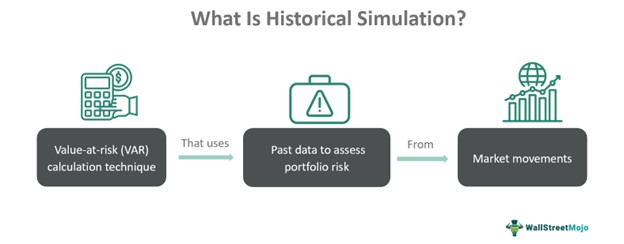
AI has already mastered something once thought impossible: bringing the past back to life.
How AI Rebuilds History
Using massive datasets—texts, images, satellite scans, DNA records, and historical documents—AI systems can:
- Restore damaged ancient manuscripts
- Reconstruct lost languages
- Recreate ancient cities in 3D
- Predict how historical events unfolded
Museums now use AI to show how ruins once looked. Historians simulate alternate versions of history to test theories. Even extinct voices and faces are being digitally recreated.
This isn’t fantasy—it’s computational resurrection.
AI doesn’t just remember the past.
It re-experiences it, allowing us to learn from it more deeply than ever before.
🔮 Traveling to the Future: Predictive Intelligence


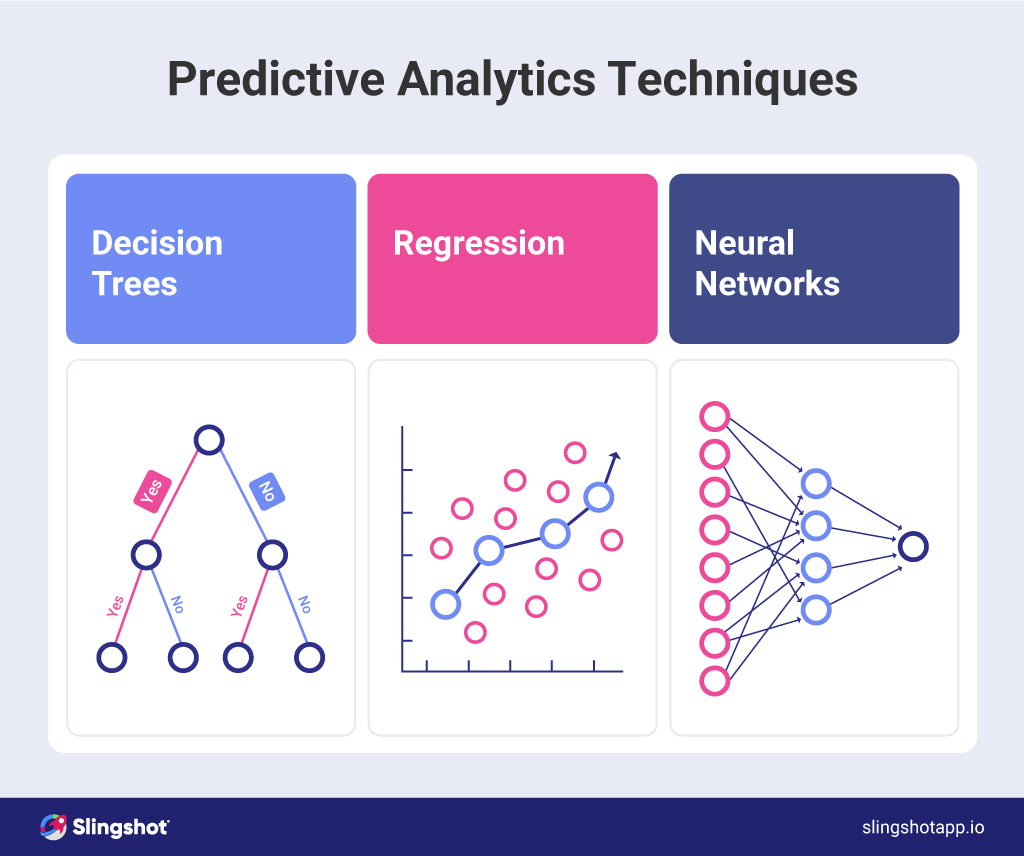
If AI’s relationship with the past is impressive, its grip on the future is transformative.
AI Predicts What Comes Next
Every day, AI models analyze trillions of data points to forecast:
- Financial markets
- Climate patterns
- Disease outbreaks
- Consumer behavior
- Traffic flows
- Technological trends
These predictions influence real-world decisions—governments, companies, and individuals act on futures before they arrive.
In a very real sense, AI lets us borrow knowledge from tomorrow.
When a doctor uses AI to predict a disease years in advance, or a city redesigns traffic to prevent future congestion, that’s not guesswork—it’s time-informed action.
🧬 Simulated Futures: Living in Multiple Timelines
One of AI’s most fascinating abilities is simulation.
Instead of waiting to see what happens, AI can ask:
“What if?”
AI Runs Parallel Futures
AI systems simulate thousands—or millions—of possible outcomes:
- Economic policies
- Urban planning models
- Medical treatments
- Climate interventions
Each simulation is a branching timeline, a future that could exist.
Humans then choose the best path.
This mirrors the “multiverse” idea from science fiction—but powered by mathematics, not imagination.
We may not physically travel between timelines, but we mentally navigate them daily, guided by AI.
🕰️ The Compression of Time: Faster Than the Present
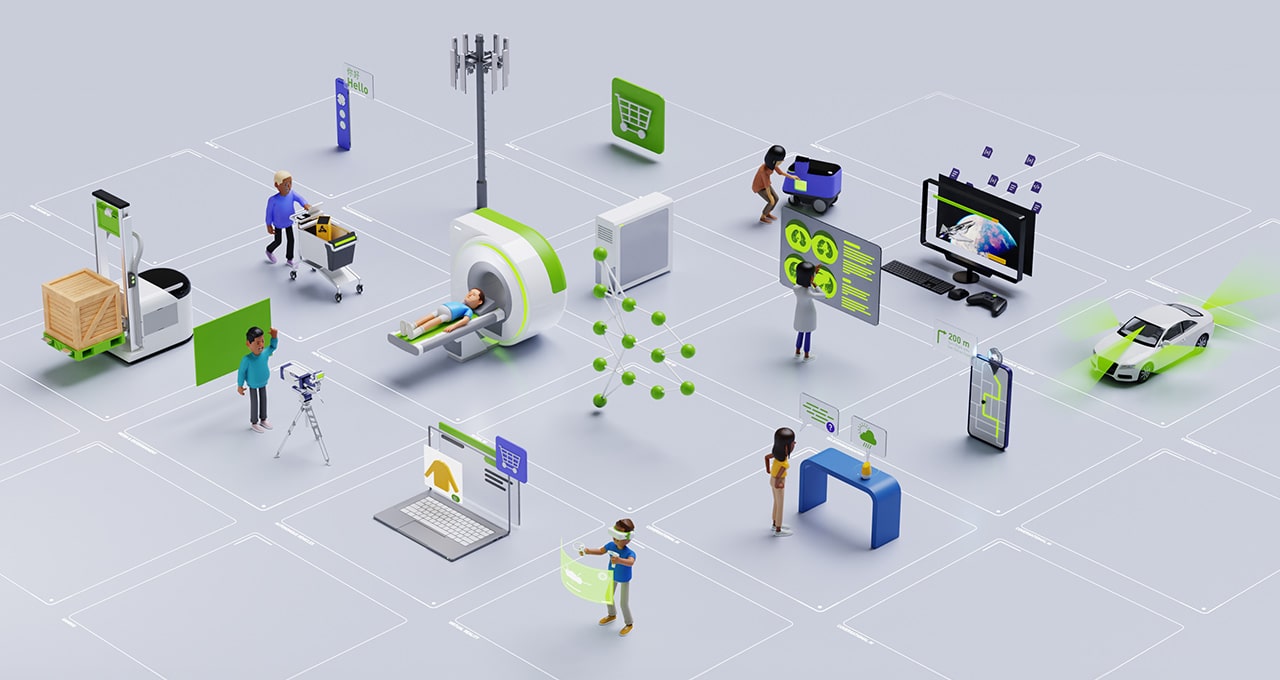
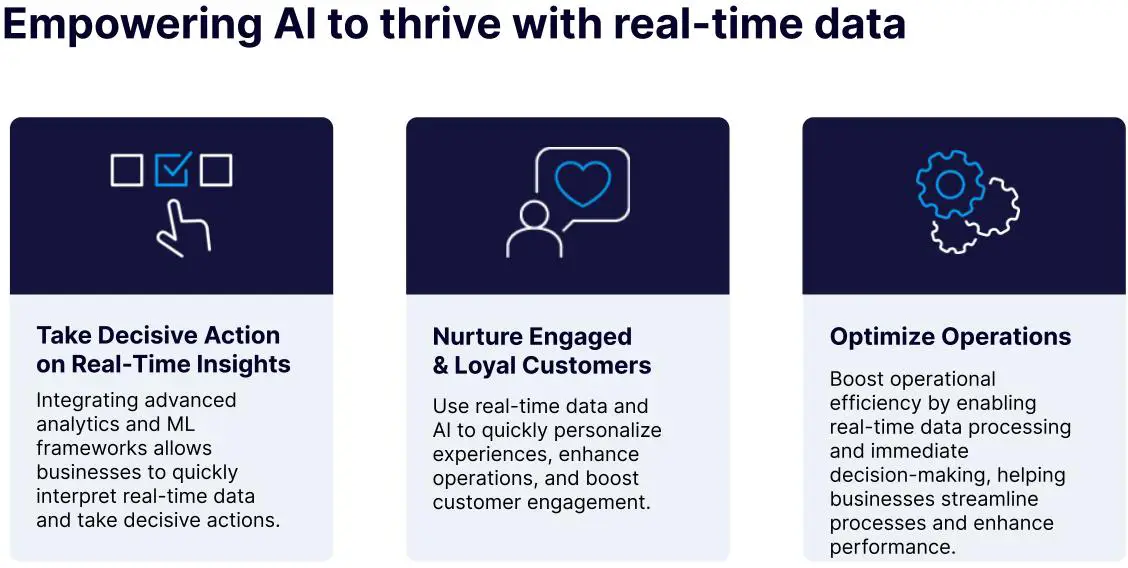

AI doesn’t just look across time—it compresses it.
Decisions that once took:
- Months now take minutes
- Years now take seconds
Markets react in milliseconds. Algorithms adjust strategies instantly. AI operates at a speed where the future arrives faster than humans can process.
This creates a strange reality:
- Humans live in the present
- AI lives slightly ahead of it
In many systems, by the time we understand what’s happening, AI has already adjusted for what comes next.
Is that time travel—or simply outpacing time itself?
🧠 Memory Without Forgetting: AI’s Eternal Timeline
Unlike humans, AI does not forget.
Every interaction, pattern, anomaly, and outcome becomes part of its memory. This gives AI a unique relationship with time:
- The past is always accessible
- The present is continuously updated
- The future is constantly recalculated
For AI, time is not linear—it’s layered.
This allows:
- Continuous learning
- Self-improving systems
- Long-term optimization beyond human lifespans
In this sense, AI may be the first intelligence to truly transcend human time limits.
⚖️ Ethical Time Travel: Should We See Too Far Ahead?
With great temporal power comes serious responsibility.
The Risks of AI-Driven Futures
If AI predicts:
- Crimes before they happen
- Failures before they occur
- Human behavior before choices are made
Where does free will end?
There’s a fine line between guidance and control, between prevention and pre-judgment.
Relying too heavily on AI’s view of the future could:
- Reinforce bias
- Limit creativity
- Create self-fulfilling prophecies
The question isn’t just can we see the future—but how much should we trust it?
🤖 Are We the Time Travelers—or Is AI?
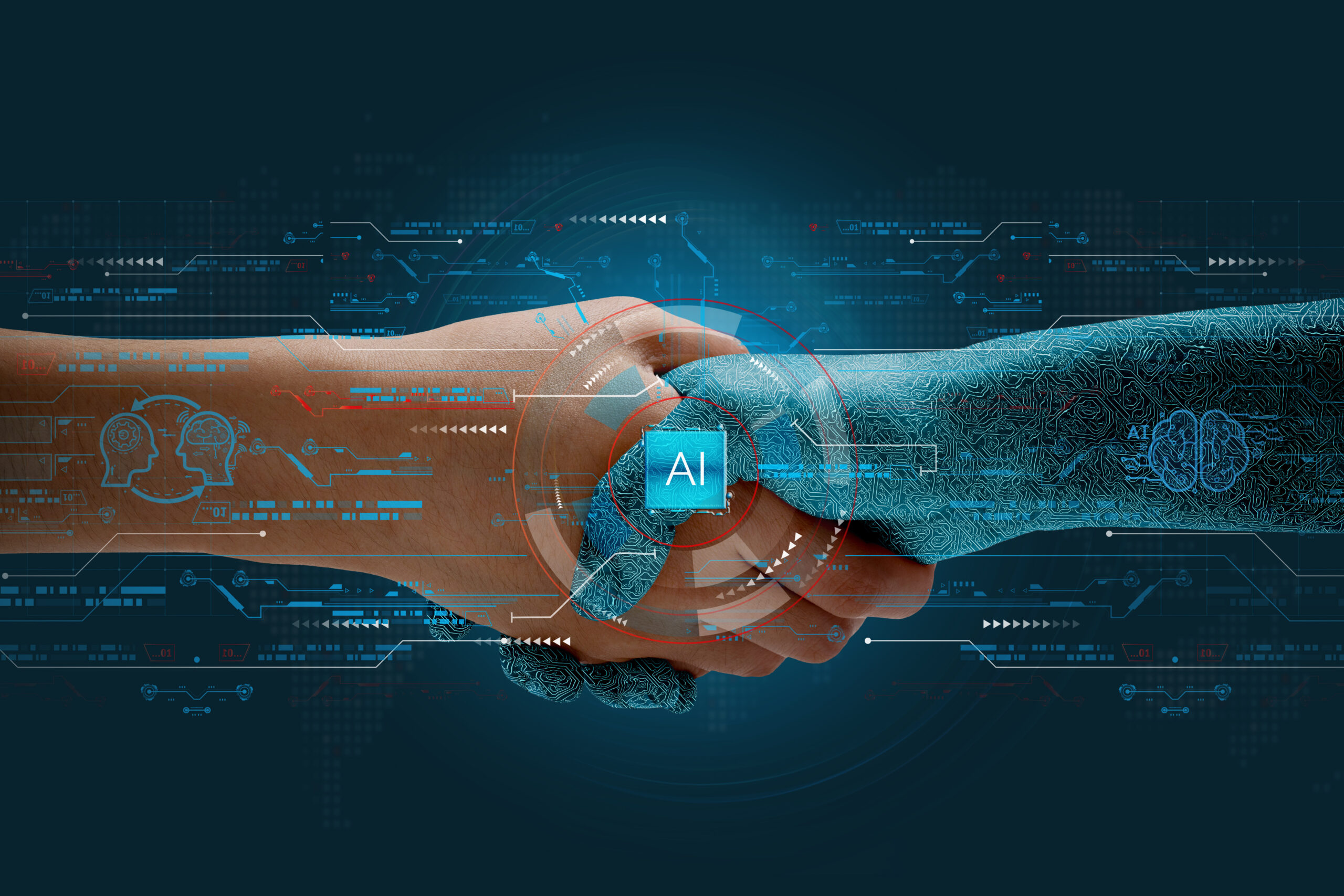
Perhaps the most intriguing idea is this:
AI may not be a time traveler—but a time guide.
Humans still make choices.
Humans still dream, imagine, and rebel.
AI simply illuminates paths we couldn’t see before.
In this partnership:
- Humans provide meaning
- AI provides foresight
Together, we don’t escape time—we shape it.
🚀 Conclusion: The Future Isn’t Coming—It’s Being Calculated
Time travel with AI doesn’t require machines or paradoxes.
It happens quietly:
- In predictions
- In simulations
- In decisions influenced by tomorrow
The future isn’t waiting for us anymore.
It’s being modeled, tested, and optimized in real time.
So the next time someone says time travel is impossible, remember this:
We may not be visiting the future—but the future is already visiting us.
And AI is the messenger.
❓ Frequently Asked Questions: Time Travel with AI
Q1. Can Artificial Intelligence really enable time travel?
AI cannot physically transport humans through time like in science fiction. However, it enables a conceptual form of time travel by analyzing past data, simulating present conditions, and predicting future outcomes. This allows humans to make decisions today using insights from what might happen tomorrow.
Q2. How does AI help us understand the past better?
AI processes vast amounts of historical data—texts, images, satellite scans, and records—to reconstruct events, restore lost artifacts, and simulate ancient environments. This makes history more accurate, interactive, and accessible than ever before.
Q3. Is AI’s prediction of the future always accurate?
No. AI predictions are probability-based, not certainties. They rely on available data and patterns, which means unexpected human behavior or rare events can still change outcomes. AI offers guidance—not destiny.
Q4. Are we already using AI-based “time travel” in daily life?
Yes. Recommendation systems, traffic predictions, weather forecasts, health risk assessments, and financial modeling all rely on AI predicting future behavior. In many ways, we already depend on AI’s foresight without realizing it.
Q5. Can AI simulations replace human decision-making?
AI can simulate scenarios and present optimized outcomes, but it cannot replace human judgment, ethics, creativity, or emotion. Humans remain responsible for final decisions, especially when moral or social consequences are involved.
Q6. Does AI’s ability to predict the future threaten free will?
This is a growing ethical debate. While AI can influence decisions by suggesting likely outcomes, humans still retain free will. The risk arises only when predictions are treated as absolute truths rather than advisory insights.
Q7. What are the risks of relying too much on AI predictions?
Over-reliance can lead to bias reinforcement, reduced innovation, and self-fulfilling prophecies. That’s why transparency, human oversight, and ethical guidelines are essential when using AI-driven forecasting systems.
Q8. Will AI ever truly “understand” time like humans do?
AI understands time mathematically, not emotionally. It processes sequences, probabilities, and patterns, but it does not experience memory, nostalgia, or anticipation the way humans do. Its understanding of time is powerful—but fundamentally different.
Q9. Is AI changing how fast the future arrives?
Yes. AI accelerates decision-making, innovation, and adaptation, effectively compressing time. Processes that once took years now happen in seconds, making the future arrive faster than ever before.
Q10. What does the future of AI-driven time intelligence look like?
The future likely involves deeper collaboration between humans and AI—where AI provides foresight and humans provide values and meaning. Instead of controlling time, we’ll increasingly learn how to navigate it wisely.


This post is very informative, give deep insight on how things worked in AI Perspective, Thanks for sharing